

Decision-making
Learn to make the best decision you can with the information you have, even when you can’t know exactly how things will turn out — something we all deal with in everyday life.
The Big Idea
Discover all that poker has to offer in a safe, welcoming and supportive environment. Whether you’re a complete beginner or have played before, we’ll help guide you every step of the way.
Whether you're looking to learn something new or bring people together, discover an experience that's right for you.
Discover beginner workshops, social games and a welcoming community to grow with.
Explore your journeyCorporate events, celebrations and custom workshops or programs designed for your group.
Explore group experiencesPlanning a work Christmas party or end-of-year celebration? Explore Christmas party experiences.
Your Journey
Whether you're completely new to poker or looking to build on what you know, start with the fundamentals, practise at your own pace and enjoy social games as your confidence grows. No pressure to be an expert — just a place to learn, play, grow and connect.
Why Poker?
Poker is the greatest equaliser. When you're seated at the table, your age, gender, background or status doesn't matter. It's a level playing field where everyone has an opportunity to succeed. Poker brings people from all walks of life together, creating connections and friendships that might never have happened otherwise. And while you're having fun, you're naturally developing skills that can transfer into everyday life.
Community Programs
Why Poker?
Poker is the greatest equaliser. When you're seated at the table, your age, gender, background or status doesn't matter. It's a level playing field where everyone has an opportunity to succeed. Poker brings people from all walks of life together, creating connections and friendships that might never have happened otherwise. And while you're having fun, you're naturally developing skills that can transfer into everyday life.
ONE TABLE. MANY DIFFERENT PEOPLE.
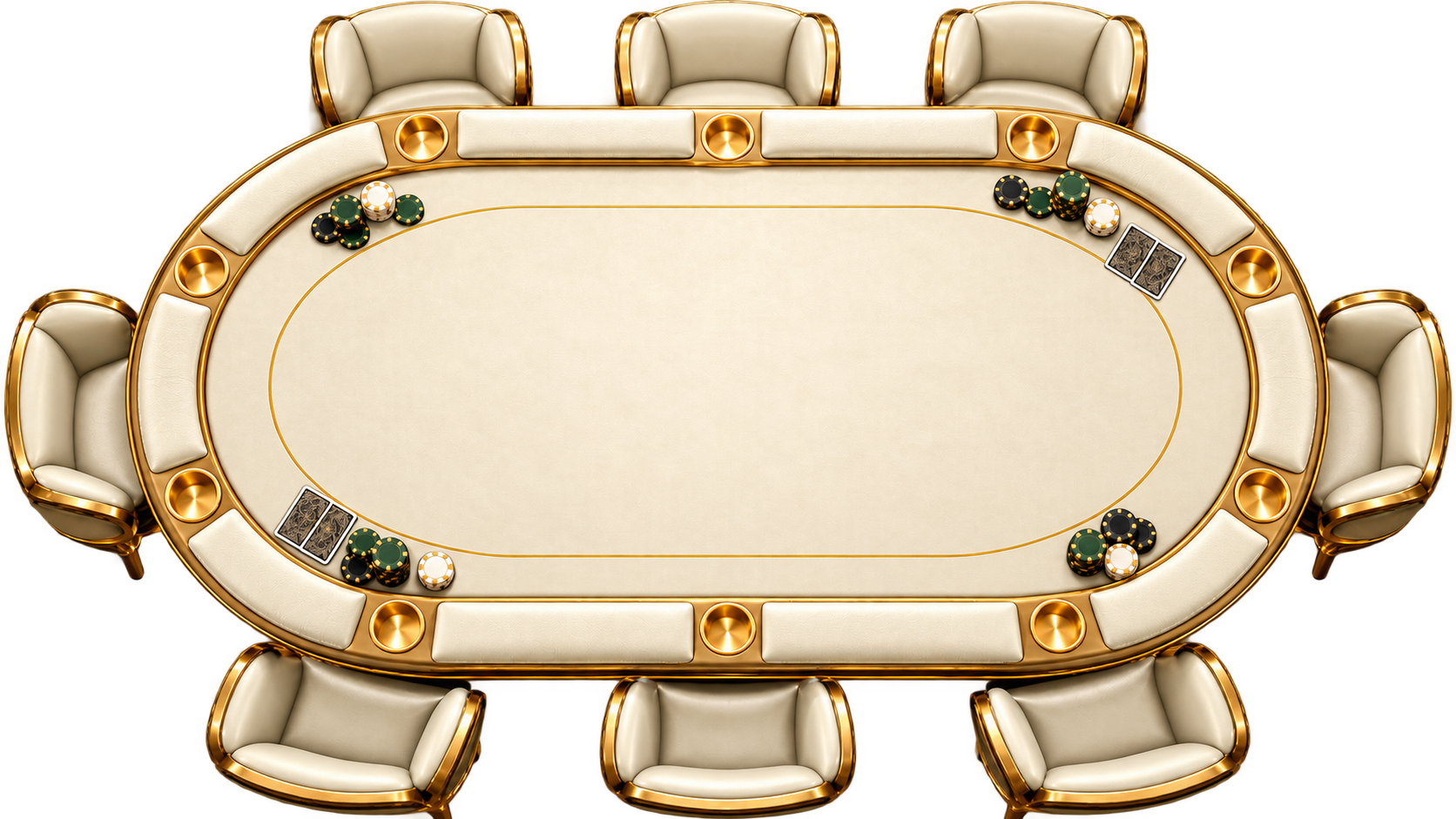
Poker has a way of bringing completely different people to the same table. Age, background, culture, career, confidence level and life experience can all be different, but once the cards are dealt, everyone has a seat and everyone has a decision to make. That’s a big part of why I love the game. You don’t have to look, think or live like everyone else at the table to belong there. Everyone brings something different, and everyone should feel like they own their seat. What people get from the game can be completely different too — a parent might love the social connection and time for themselves, a young person might build confidence and decision-making skills, an entrepreneur might be drawn to strategy and risk versus reward, while someone older might enjoy the mental challenge and keeping their mind active. For someone else, it might simply be about having fun, meeting people or learning something new.
Community Programs
TRANSFERABLE SKILLS
Every hand gives you a chance to practise discipline, weigh up risk versus reward, read the people and information in front of you and make a decision based on what you know at the time. Just like in everyday life, things will not always go to plan, other people will make choices you cannot control, and learning how to manage your emotions, adapt and make the next best decision is a big part of the game.
Learn to make the best decision you can with the information you have, even when you can’t know exactly how things will turn out — something we all deal with in everyday life.
Poker gives you plenty of chances to practise staying calm when things don’t go your way. You can’t control the cards, the outcome or what other people do — only how you respond and what decision you make next.
Poker teaches you that doing nothing can sometimes be the best decision. You don’t have to chase every opportunity, and learning when to wait, when to fold and when to stick to a good decision takes real discipline.
Poker teaches you to think about what you could gain, what you could lose and whether the opportunity is actually worth taking. It’s a simple way to practise weighing up risk instead of acting on impulse.
In poker there are so many things to consider before you act. You need to take in the information, work out whether your thinking actually makes sense and then decide what the best move is in that situation. That process of slowing down, questioning your logic and choosing deliberately is a big part of critical thinking.
Poker brings maths to life because the numbers actually help you make better decisions. You start using odds, percentages and probability to work out how likely something is to happen, what you’re risking and whether a decision makes sense over time. Instead of maths feeling abstract, you can actually see how the numbers influence what happens at the table.
Poker keeps your brain switched on. You’re following the action, remembering what has happened, noticing patterns and holding onto useful information so you can make better decisions as the hand develops.
Poker gives people something to do together, which can make socialising feel a lot more natural. You can ask questions, have a laugh, read the room and build confidence around other people without feeling like you have to force conversation.
Poker has carried an outdated image for a long time — something centred around gambling, intimidating tables and people who already know exactly what they’re doing. All-In Poker is deliberately different. It’s built around learning, inclusion and connection, with a strong focus on making sure every person feels considered, comfortable and like they genuinely belong at the table.
This isn’t about simply turning up, playing a game and going home. All-In Poker is designed as a journey through poker, with support every step of the way. By showcasing poker for what it truly is — a strategy game built on skill, a huge community, a place to challenge yourself and grow, and sometimes simply a way to switch off and just have fun — All-In Poker has created something much bigger than just another card game. You choose the pace, and you decide how far you want to take it.